
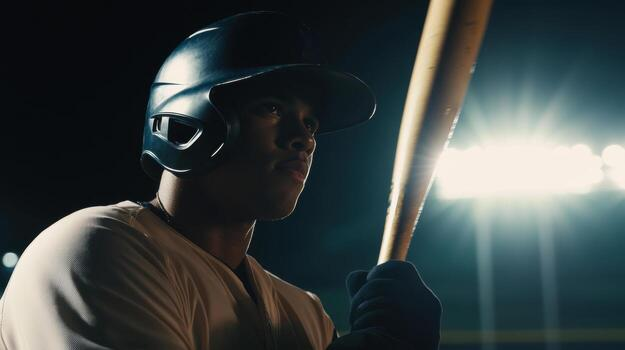
Quick Answer: “Competitive baseball families preparing for summer tournaments, showcases, and the next school season should prioritize legal equipment, properly fitted, position-appropriate, and reliable under heavy use. Review bats, gloves, cleats, helmets, protective gear, batting gloves, bags, and training equipment, replacing only what no longer supports the player’s current level or upcoming schedule.”
The middle of the baseball year is not always the right time to replace everything. It is the right time to identify equipment that could fail during a tournament, limit performance at a showcase, or no longer fit by the start of the next school season.
Competitive families should evaluate gear based on league requirements, player development, position, workload, and upcoming events. A dependable setup may combine proven equipment from the current season with a few carefully selected upgrades.
Start by reviewing the latest baseball gear and equipment, then compare each potential purchase with what the player already owns and actually needs.
A Competitive Player’s 2026 Equipment Audit
Before buying new equipment, place the player’s current gear in one area and review it category by category.
Use three decisions:
|
Decision |
What it means |
Common examples |
|
Keep |
The gear fits, remains legal, and performs reliably |
Broken-in glove, comfortable helmet, dependable bag |
|
Replace |
The item is damaged, undersized, unreliable, or no longer approved |
Cracked helmet, worn cleats, illegal bat |
|
Upgrade |
The current item works, but a different option better supports the player’s competition level |
Showcase wood bat, position-specific glove, better training aid |
Do not upgrade equipment only because a newer model exists. Competitive players benefit most from equipment that matches their swing, position, body, and schedule.
The most urgent replacements are products connected to safety, legality, and fit. Performance upgrades should come after those needs are addressed.
What Bat Does the Player Need Next?
The right bat depends on the player’s current league, upcoming events, strength, swing profile, and future transition.
A player competing in several environments may need more than one bat:
-
A legal game bat for the current league.
-
A BBCOR bat for high school or other BBCOR-required competition.
-
A wood bat for showcases, training, or wood-bat tournaments.
-
A familiar backup that meets the same event requirements.
Check the rules for every tournament and showcase before purchasing. A bat used successfully during spring league play may not be permitted at a different summer event.
Choosing a BBCOR bat
BBCOR bats remain central for high school and college baseball in 2026. Currently approved BBCOR bats remain compliant, while recently announced lighter high-school bat options are not scheduled to take effect until 2028.
Competitive players should compare:
-
Length and weight.
-
Balanced or end-loaded feel.
-
One-piece or two-piece construction.
-
Alloy, composite, or hybrid design.
-
Barrel control.
-
Vibration and feedback.
-
Performance against game-speed pitching.
A power hitter may prefer more mass through the barrel, while a player who relies on bat speed and adjustability may perform better with a balanced model. The bat should complement the player’s swing rather than force a mechanical change.
Test the bat through tee work, front toss, and full batting practice. A few dry swings do not reveal how well the player controls the barrel against velocity.
Adding a wood bat
A quality wood bat is increasingly useful for players preparing for showcases, wood-bat events, advanced training, or future levels of competition.
Consider:
-
Maple, birch, or ash.
-
Barrel diameter.
-
Handle thickness.
-
Knob shape.
-
Length and weight.
-
Model or turn profile.
-
Balanced or end-loaded feel.
Maple generally feels dense and firm. Birch can offer a more flexible transition for players developing wood-bat experience. Ash provides flex but requires attention to grain orientation and long-term wear.
The best wood bat is not automatically the largest model a player can swing. It should allow consistent contact, barrel control, and normal timing against live pitching.
Players with a demanding summer schedule may need two wood bats. Wood can break, and an unfamiliar emergency replacement can be difficult to adjust to during an important event.
Glove Readiness for Tournaments and Showcases
A competitive player’s glove should be fully broken in, structurally secure, and appropriate for the player’s primary position.
Inspect:
-
Web laces.
-
Pocket laces.
-
Heel and wrist lacing.
-
Finger stalls.
-
Thumb and pinky loops.
-
Padding.
-
Leather around high-stress areas.
-
Overall shape and pocket depth.
Loose or dry laces should be addressed before tournament travel. A glove that feels good but has weakened lacing may fail without much warning.
Does the player need a position-specific glove?
Players moving into more defined defensive roles may benefit from a glove built for that position. Infielders often prefer a shallower pocket that supports quick transfers, while outfielders typically use a longer glove with a deeper pocket for range and ball security. First basemen and catchers require specialized mitts, and pitchers may prefer a closed web that helps conceal their grip.
Typical size ranges by position include:
-
Infield (general): 11.25"–12"
-
Second Base: 11.25", 11.5"
-
Shortstop: 11.25", 11.5", 11.75"
-
Third Base: 11.5", 11.75", 12", 12.25"
-
Outfield: 12.25"–13"
-
Pitcher: 11.75"–12.5"
-
First Base Mitt: 12.5", 13"
-
Catcher’s Mitt: 32"–35"
Versatile youth players do not always need a separate glove for every position. A competitive player with a stable primary role may gain more from a position-specific pattern.
Do not introduce a new glove immediately before a major tournament or showcase. It needs enough time for break-in, adjustment, and game-speed testing.
Cleats and Turf Shoes for a Full Schedule
Cleats should support traction, comfort, and repeated use across long tournament days. Check the rules before choosing metal or molded cleats because age divisions, leagues, and facilities may have different restrictions. Metal cleats are often preferred at higher levels because they provide superior traction and grip in the dirt, especially for quick first steps and explosive movements. Molded cleats, on the other hand, tend to be more comfortable for younger players or long days on multiple fields since they distribute pressure more evenly and reduce foot fatigue.
Inspect the current pair for:
-
Worn or missing studs.
-
Sole separation.
-
Compressed insoles.
-
Heel slippage.
-
Tightness around the toes.
-
Cracked material.
-
Unusual pressure during running.
A player may outgrow cleats before the exterior looks damaged. Try them on with game socks and leave enough room for natural movement without allowing the foot to slide.
Turf shoes are also valuable for competitive schedules. Players can use them for cages, artificial surfaces, warmups, strength work, and travel between games. They reduce unnecessary wear on game cleats and provide a comfortable alternative during long tournament days.
Break in new footwear during practice. A showcase or destination tournament should not be the first extended test.
Batting Gloves for Repeated Games
Competitive players should have at least two reliable pairs of batting gloves during summer baseball. Heat, sweat, rain, dirt, and repeated at-bats can quickly affect grip and comfort.
Evaluate:
-
Palm wear.
-
Finger seams.
-
Wrist closures.
-
Fit around the fingertips.
-
Grip when damp.
-
Compatibility with the player’s guards.
One pair can remain dry while the other is used. Players who tear batting gloves regularly may benefit from reinforced palms or a different fit rather than repeatedly buying the same style.
When choosing between top-tier options, material and construction differences matter. For example, Bruce Bolt and Franklin are two of the most commonly used competitive brands, but they perform differently depending on player preference:
|
Feature |
Bruce Bolt |
Franklin |
|
Leather thickness |
Thicker, more durable feel |
Thinner, more flexible feel |
|
Durability |
Typically lasts longer under heavy use |
Wears faster with frequent play |
|
Bat feel |
Slightly more padded, less direct feedback |
More direct “feel the bat” connection |
|
Palm design |
Multi-piece construction |
One-piece palm design |
|
Best for |
Players prioritizing longevity and protection |
Players prioritizing bat control and feel |
Neither option is universally better it depends on whether the player values durability or maximum bat feedback.
The player should also inspect the bat grip. A fresh pair of batting gloves cannot compensate for loose, slippery, or damaged grip tape. The guide on how to wrap a baseball bat grip explains how proper overlap and tension support a secure, consistent feel.
Helmets and Protective Gear
Safety equipment should be evaluated before performance upgrades. A helmet or protective guard must fit correctly, remain structurally sound, and meet the requirements of the player’s league or event.
Batting helmet inspection
Check the helmet for:
-
Cracks or serious damage.
-
Loose or missing padding.
-
Damaged face protection.
-
Loose hardware.
-
An outdated or missing certification mark.
-
Movement when the player turns their head.
A helmet should sit level and remain secure without creating painful pressure points. Replace a helmet that no longer fits or has visible structural damage.
Do not modify certified equipment by drilling holes, removing required components, or making unapproved alterations.
Protective equipment for competitive players
Depending on the player and position, the 2026 setup may include:
-
Athletic cup and supporter.
-
Elbow guard.
-
Hand or wrist guard.
-
Sliding mitt.
-
Face protection.
-
Mouthguard.
-
Chest protection.
-
Catcher’s equipment.
Protective gear should cover the intended area without restricting the swing, throwing motion, running, or sliding. Players should practice with every new guard before using it in competition.
Catchers need a separate full-set inspection. Check the helmet, chest protector, leg guards, mitt, cup, throat protection, straps, clips, and padding before the schedule becomes busy.
Selecting the Right Baseball Bag
The bag should match the player’s position, travel schedule, and amount of equipment.
|
Bag type |
Best suited for |
Main advantage |
|
Bat pack |
Position players carrying essential gear |
Compact and easy to transport |
|
Duffle bag |
Players carrying apparel and extra equipment |
Flexible storage space |
|
Wheeled bag |
Heavy travel schedules and larger equipment loads |
Easier movement through venues |
|
Catcher’s bag |
Catchers carrying a complete protective set |
Space for bulky position-specific gear |
Look for secure bat storage, a protected helmet area, ventilated footwear space, durable zippers, and accessible pockets for batting gloves and protective equipment.
A player preparing for destination tournaments may need more storage than a player competing close to home. Larger is not always better, however. An oversized bag quickly becomes disorganized when it lacks useful compartments.
Label the bag and major equipment with the player’s name and a parent’s phone number.
Training Gear That Supports the Next Season
Training equipment should address a specific skill or physical need. Avoid buying several devices that promise similar results but never become part of the player’s routine.
Useful options may include:
-
Batting tees.
-
Practice nets.
-
Weighted or training balls.
-
Resistance bands.
-
Arm-care bands.
-
Short bats or barrel-control trainers.
-
Training bats.
-
Hitting targets.
-
Fielding trainers.
-
Grip-strength tools.
-
Recovery equipment.
What training gear is worth buying?
The best training gear is equipment that the player and coach can use consistently with a clear purpose.
A tee and net can support regular swing work. Resistance bands can fit into an established warmup or arm-care routine. A specialized training bat may help with barrel awareness or hand path when used correctly.
Training tools should reinforce good movement, not replace coaching or full-speed baseball activity. Players should understand the intended drill, number of repetitions, and connection to game performance.
Summer schedules also require recovery. Hydration equipment, mobility tools, cooling accessories, and appropriate rest can be as important as another hitting device.
Buying for Summer and the Next School Season
Competitive families should think beyond the next tournament while avoiding purchases based only on future growth.
Consider:
-
Whether the bat will remain legal for the next season.
-
Whether the player is approaching a BBCOR transition.
-
Whether the glove still fits the player’s primary position.
-
Whether cleats have enough room without being oversized.
-
Whether the helmet will remain secure.
-
Whether the bag can support showcase or travel needs.
-
Whether the training gear fits the player’s offseason plan.
Some purchases should be made now because the player needs time to adjust. Bats, gloves, and cleats perform best after practice and testing. Other items, such as spare batting gloves or replacement accessories, can be purchased closer to the event.
Competitive Baseball Gear Questions for 2026
Does a competitive player need both a BBCOR and a wood bat?
Players may need both when they compete in BBCOR-required games and wood-bat tournaments or showcases. The wood bat is also useful for training and preparing for higher levels of competition.
How many bats should a player carry to a tournament?
A player should usually have a primary legal bat and a familiar backup when available. Players attending wood-bat events may need more than one wood bat because breakage is possible.
When should a baseball glove be replaced?
Replace the glove when damaged leather, failed padding, poor fit, or structural wear prevents reliable use. Worn laces can often be repaired without replacing the entire glove.
Should players wear metal or molded cleats?
The decision depends on age, league rules, field surface, comfort, and player preference. Always confirm the event’s footwear rules before purchasing or traveling.
How many pairs of batting gloves should a tournament player own?
Two game-ready pairs are usually the minimum for a busy schedule. A third pair can help during wet weather, high heat, or multi-day events.
What should families check when buying a baseball helmet?
Check certification, fit, shell condition, padding, required face protection, and league rules. The helmet should remain secure without creating painful pressure.
Is expensive training gear necessary for competitive baseball?
No. Simple equipment used consistently can be more valuable than an expensive device without a clear training purpose. Choose tools that support the player’s actual development plan.
Should families buy equipment for the player to grow into?
Avoid significantly oversized safety or performance equipment. A small amount of growth room may be reasonable in apparel and footwear, but bats, helmets, gloves, and protective gear must work correctly now.
Build a Reliable Setup for the 2026 Baseball Schedule
The best 2026 equipment plan is not a cart filled with every new release. It is a dependable combination of legal bats, a game-ready glove, comfortable footwear, secure protective equipment, organized storage, and training tools that support the player’s next goal.
For help comparing BBCOR bats, wood bats, gloves, cleats, helmets, bags, and training equipment, contact the Between The Lines team or visit the Scottsdale store before the next tournament, showcase, or school season.