


A Guide, Not a RuleThese charts are a starting point, not a final answer. Two players the same height can swing different bats depending on strength, swing and what feels right in their hands. The best way to know is to swing a couple of lengths and drops in our demo cage.
Little League & Rec Ball
USA Bats
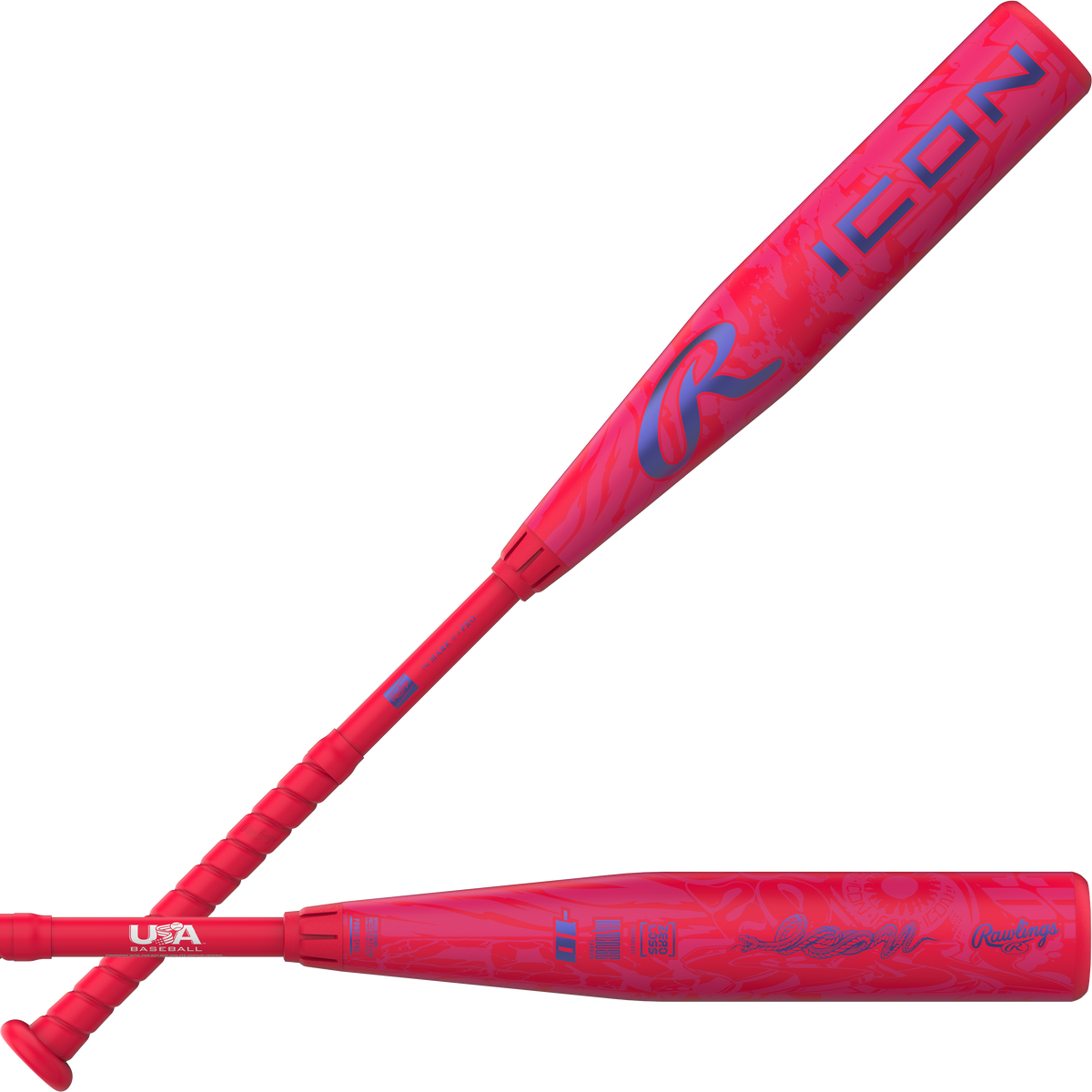
USA Baseball is a different certification standard than USSSA. Required in Little League, Cal Ripken, Babe Ruth, and most rec leagues. A USSSA bat is not legal in a USA league and vice versa. Always check your league requirements before buying.
| Height | Length | Age | Drop |
|---|---|---|---|
| Under 3'8" | 24"–25" | 4–6 | -11, -12 |
| 3'8"–4'0" | 25"–27" | 7–8 | -10, -11 |
| 4'0"–4'5" | 27"–28" | 9–10 | -10 |
| 4'5"–4'9" | 28"–30" | 11–12 | -8, -10 Most Common |
| 4'9"+ | 30"–31" | 13+ | -8 |
Understanding Drop Weight
Drop weight is the difference between a bat's length in inches and its weight in ounces. A 32" bat with a -3 drop weighs 29 oz.
-3Heaviest
14U, HS & CollegeBBCOR and wood. Required at 14U and above.
-5Heavy
13U / Advanced 12UStandard for 13U. Strong 12U players may move here early.
-8Moderate
12UDevelops power without losing too much bat speed.
-10Light
10U–11UMost common youth drop. Most Common
-11/-12Lightest
8U and UnderTee ball and beginners.