Wood Bats

87 products

Showing 73 - 87 of 87 products

Showing 73 - 87 of 87 products
View
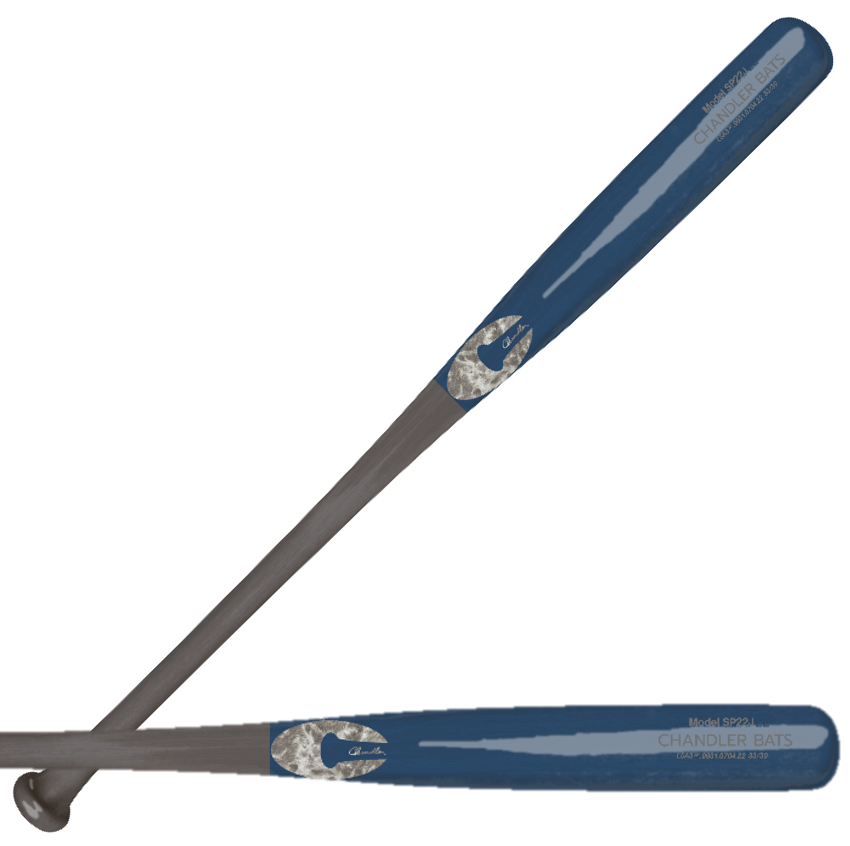
Chandler SP22J Maple Wood Baseball Bat Midnight Silver showing side profile with flared knob, thin handle, medium barrel.
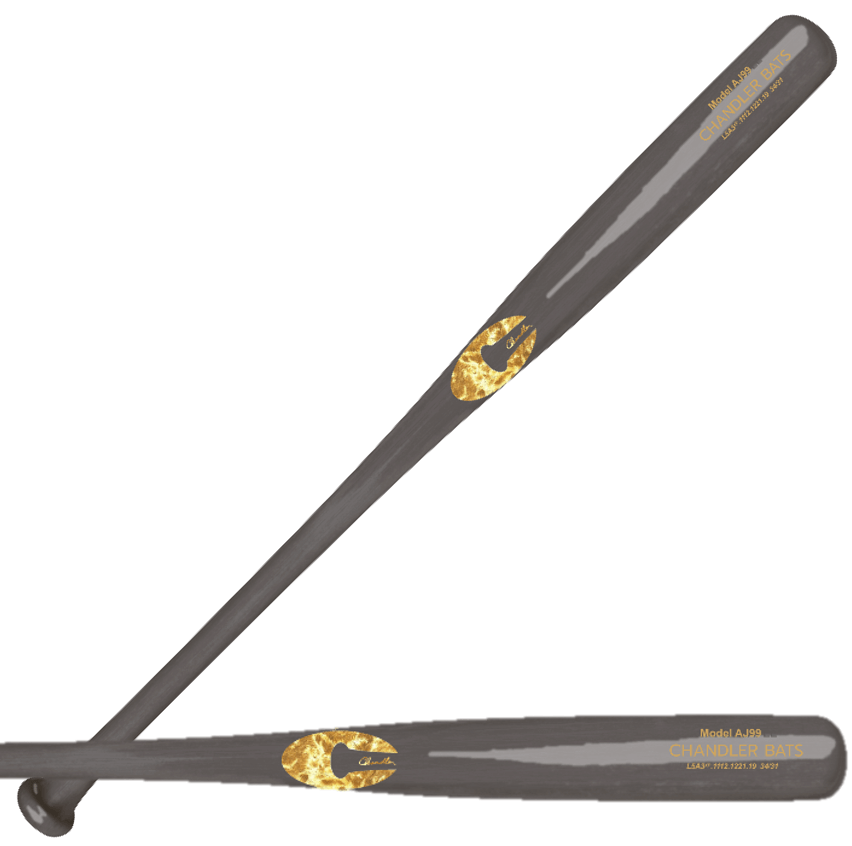
Side profile view of Chandler AJ99 Maple Wood Baseball Bat Palladium Gold with gold graphics and branding details.
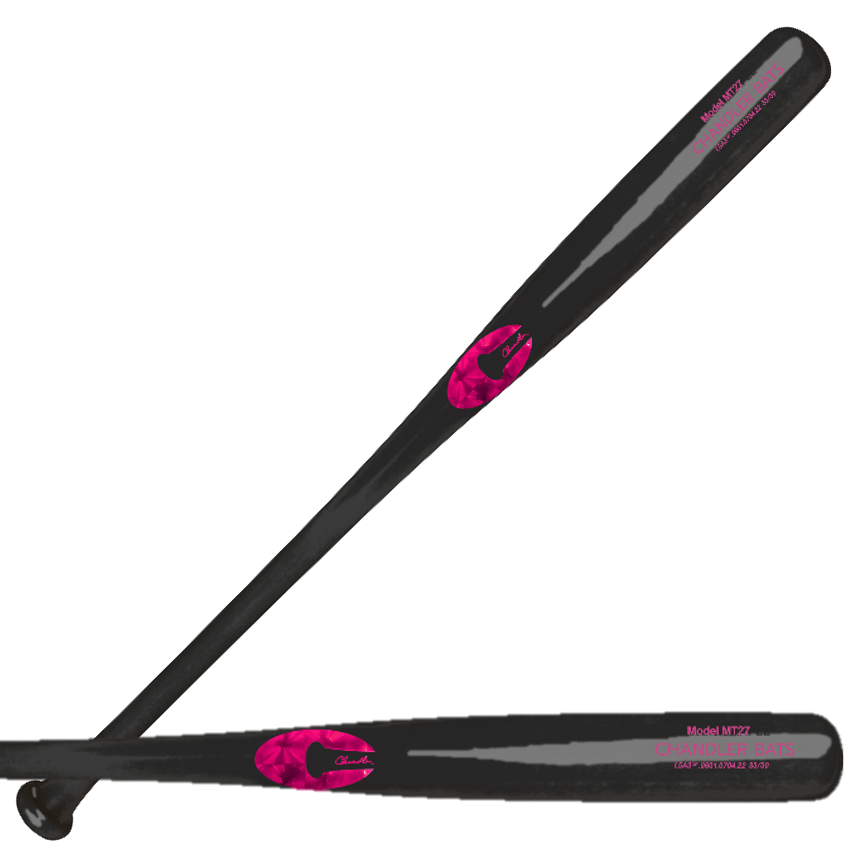
Side profile of Chandler MT27 Maple Wood Baseball Bat Black Pink with visible pink graphics on barrel and handle.
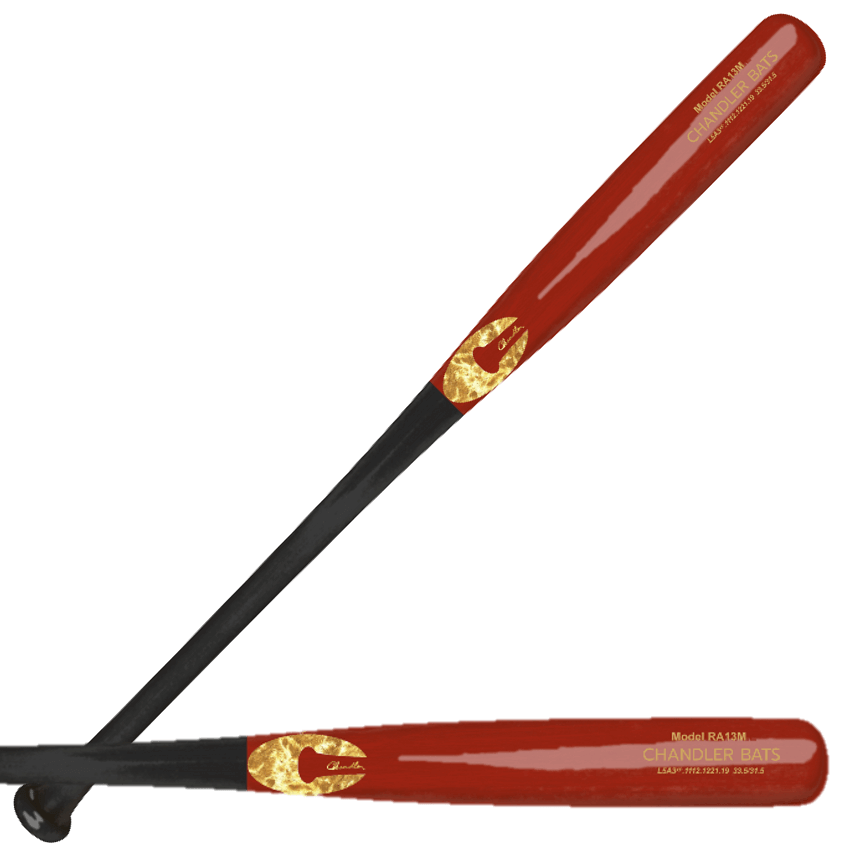
Chandler RA13M Maple Wood Baseball Bat Cherry/Black, side profile with long cherry barrel and black handle, gold branding visible.
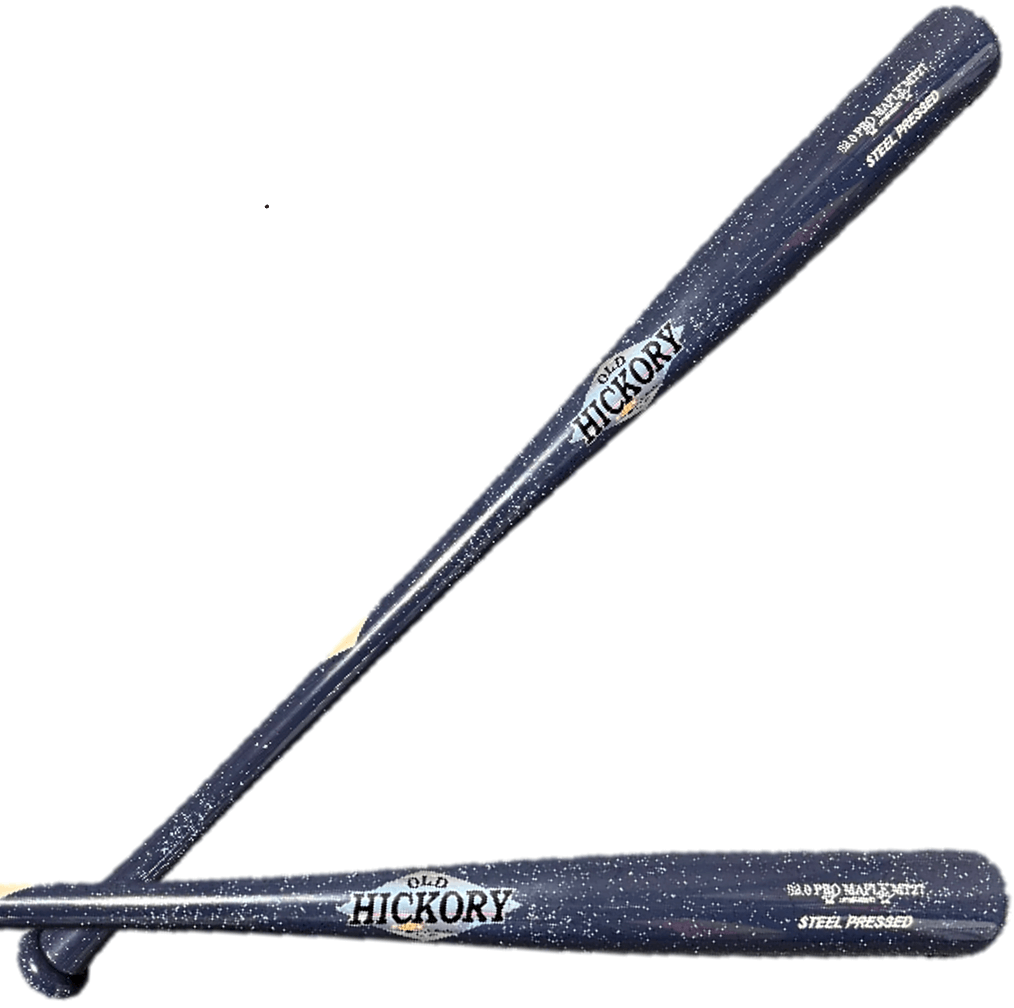
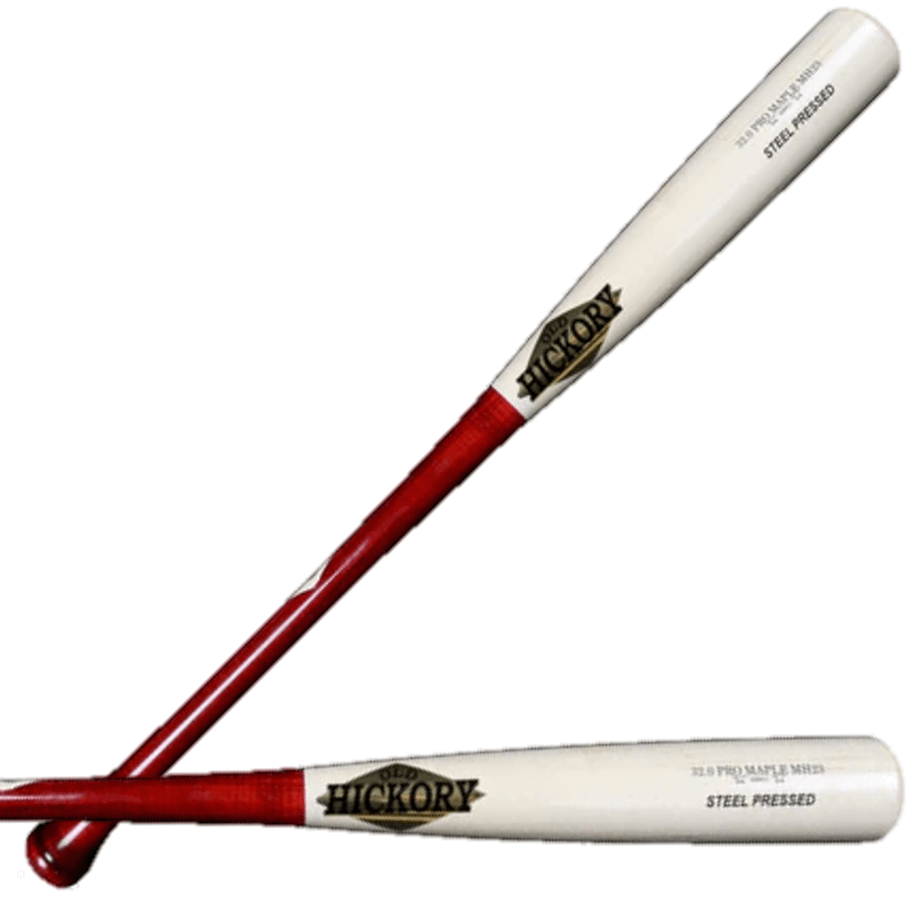
Old Hickory Steel Pressed MH23 wood baseball bat, showcasing its durable finish and high performance.
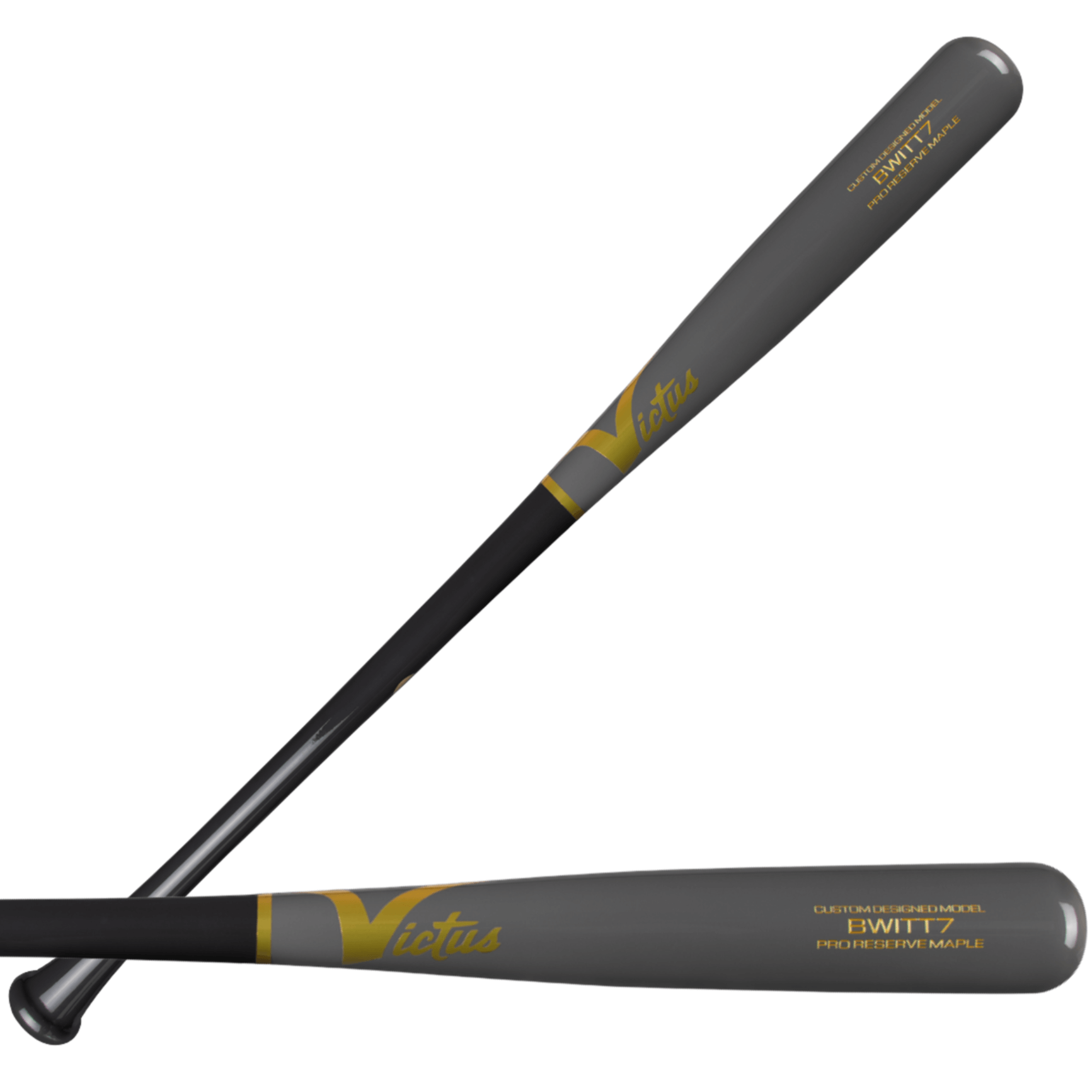
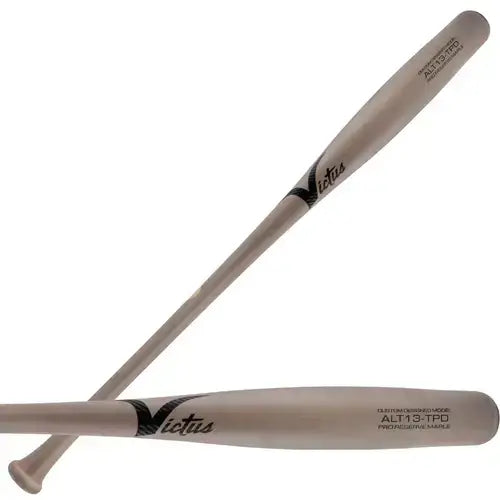
Victus ALT13 Torpedo Pro Reserve Bat - Front & Back views, Grey Wood with ProPACT finish
Dove Tail Bats CFi13SD Carbon Reinforced Wood Bat with a sleek black design and bold logo.
Dove Tail Bats CFi13SD Carbon Reinforced Wood Baseball Bat
+7
+6
+5
+4
+3
+2
+1
Sale price$269.99
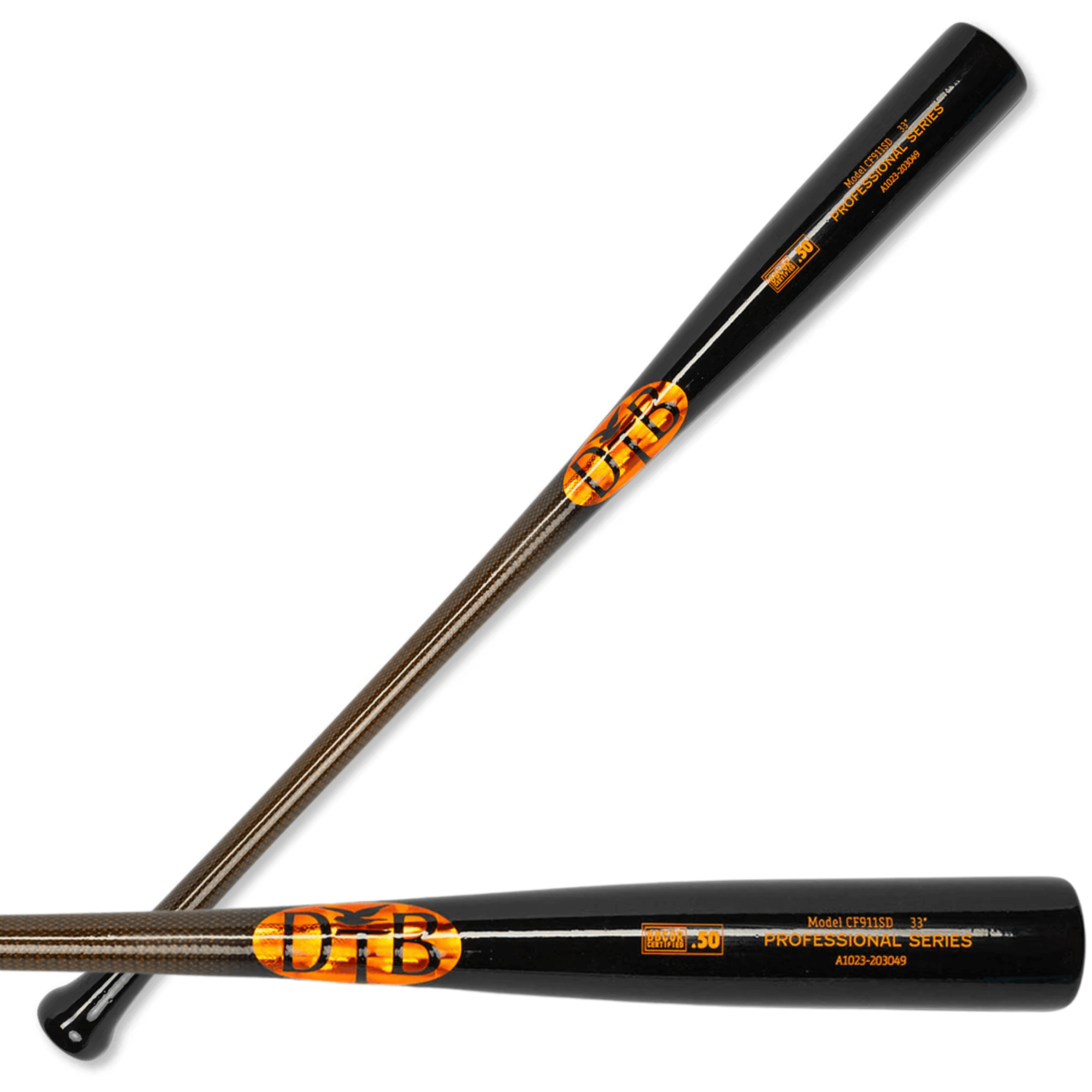
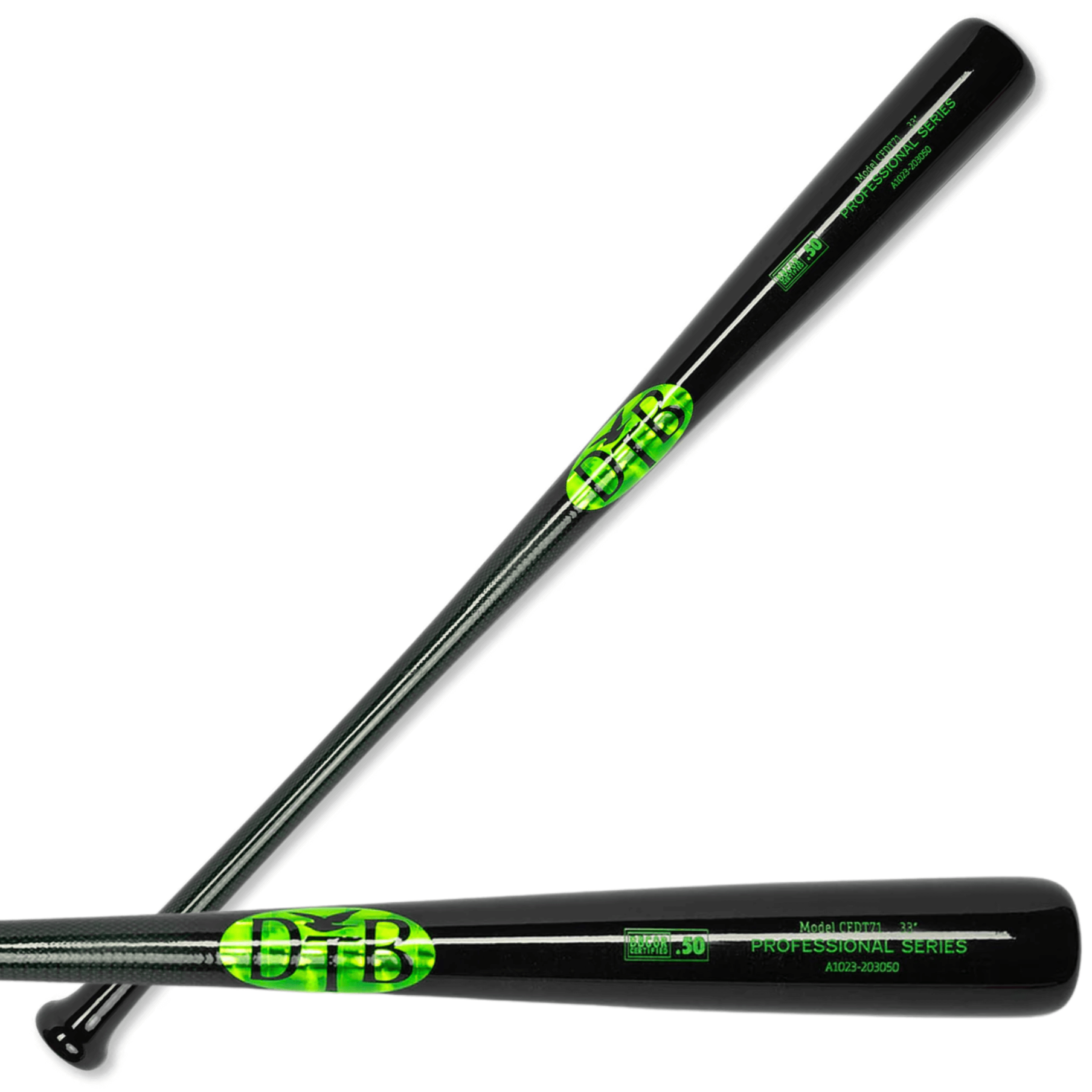
Dove Tail Bats CF911SD carbon reinforced wood bat featuring sleek black finish and vibrant green logo.
Dove Tail Bats CF911SD Carbon Reinforced Wood Bat
+3
+2
+1
Sale price$269.99
Save $150.00
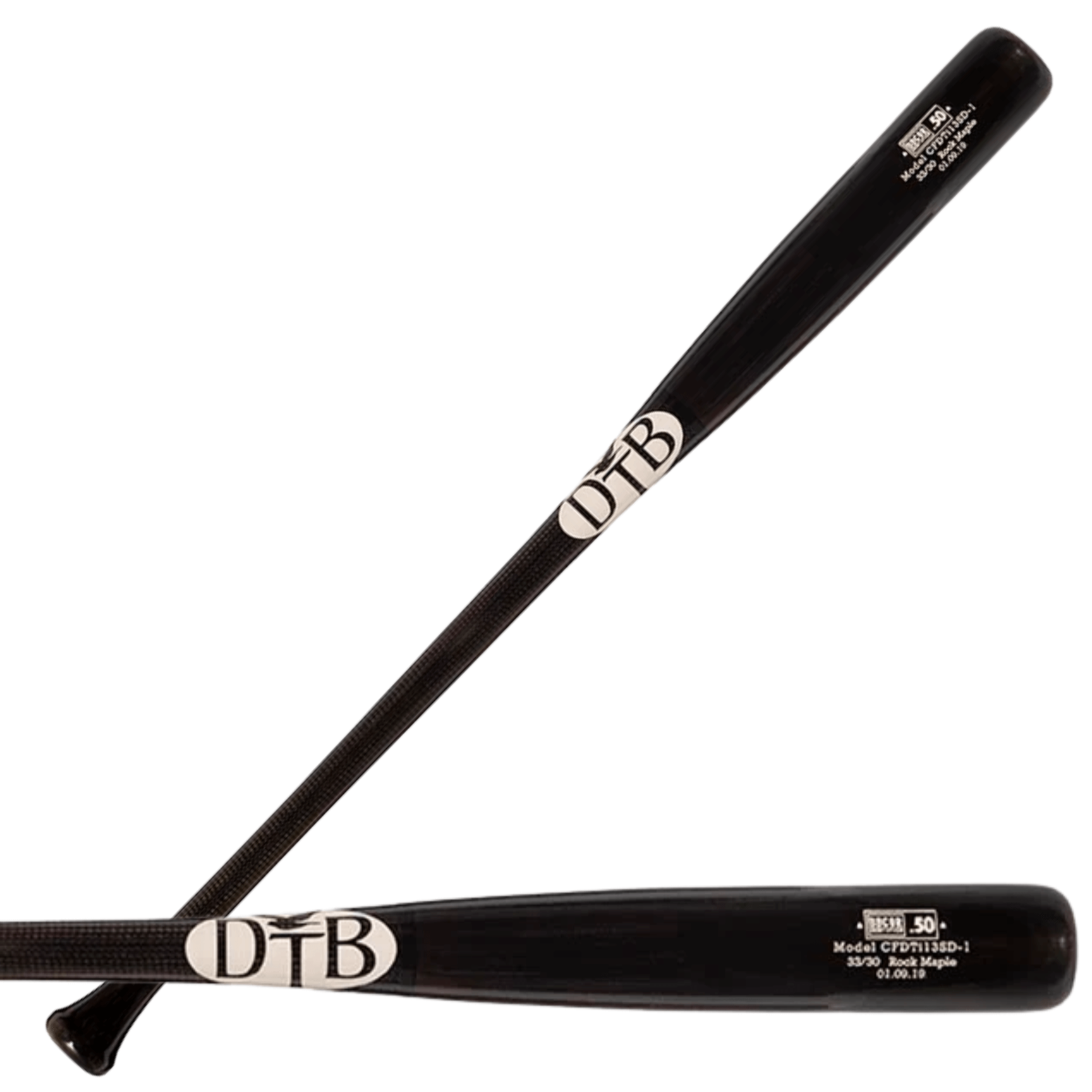
Dove Tail Bats CF911SD-1 Wood Bat, featuring a tapered barrel and carbon fiber reinforced handle.
Dove Tail Bats CF911SD-1 Wood Baseball Bat
Sale price$149.99 Regular price$299.99

Who Uses Wood Baseball Bats?

Wood bats are the standard in professional baseball and are also widely used in independent leagues. College and junior-college players often swing wood during summer-league play, offseason training and player-development work, even when their regular school season permits BBCOR metal or composite bats.

Collegiate summer leagues frequently use wood bats to create a professional-style environment and help players demonstrate barrel control against advanced pitching. Arizona junior-college players may therefore need wood bats for summer teams, workouts or events outside their regular college schedule.

High-school players also encounter wood during summer tournaments and showcase events. Some events require a one-piece wood bat, while others allow wood alongside approved BBCOR or other certified bats. Always check the specific tournament rules before choosing a bat, particularly when considering a wood-composite model.

Why Players Train With Wood

Wood bats provide immediate feedback. Contact away from the barrel’s effective hitting area is easier to feel, encouraging hitters to improve timing, barrel accuracy and overall swing efficiency.

Players preparing for collegiate summer baseball, professional baseball or independent-league tryouts can also use wood during training to become comfortable with its weight distribution and smaller effective hitting area.

Maple, Birch and Wood Composite

Maple is dense and firm, producing a solid feel at contact. Birch combines hardness with more flex and commonly benefits from gradual break-in.

Wood-composite bats use reinforcing materials or engineered construction to alter durability and feel. They may be permitted in certain tournaments or leagues, but they are not treated as solid wood under every rule set. Confirm the approved models and construction requirements before play.

Turning Models and Swing Feel

A turning model describes the bat’s barrel, handle, taper and knob. Larger-barrel models may feel more end-loaded, while smaller barrels and thicker handles often create a more balanced, controlled swing.

Two bats with the same length can feel substantially different because of their turning model, wood density and weight distribution. Choose the longest bat you can control without losing posture, bat speed or barrel accuracy.

Caring for a Wood Bat

Inspect the bat before every game or training session. Stop using it if you notice cracks, separation, flaking or other structural damage. Avoid storing wood bats in excessively hot, cold or damp environments.

Frequently Asked Questions

Who commonly uses wood baseball bats?

Wood bats are standard in professional and independent baseball. They are also commonly used by collegiate summer-league players, junior-college players during summer or offseason competition, high-school tournament teams and hitters training for better barrel control.

Do college baseball players use wood bats?

College regular-season rules may permit compliant BBCOR bats, but many college players use wood in collegiate summer leagues, offseason workouts, showcases and professional-development settings.

Do Arizona junior-college players need wood bats?

It depends on the team, league and event. Arizona junior-college players may use wood during summer leagues, offseason training or tournaments even when their regular college schedule permits BBCOR bats.

Do high-school summer tournaments require wood bats?

Some do, while others allow wood alongside approved metal or composite bats. Requirements can change by organizer, age division and event, so check the tournament’s current bat rules.

Which wood species is best for a baseball bat?

The best choice depends on the player’s preferred feel. Maple is dense and firm, while birch combines hardness with additional flex.

What is a wood-bat turning model?

A turning model describes the barrel, handle, taper and knob dimensions. These features determine how the bat’s weight is distributed and how it feels during the swing.

Are wood-composite bats allowed in wood-bat tournaments?

Only when the event permits them. Some tournaments require a single piece of solid wood, while others publish a list of approved composite-wood models.

Recently viewed