Wood Composite Bats

21 products

Showing 1 - 21 of 21 products

Showing 1 - 21 of 21 products
View
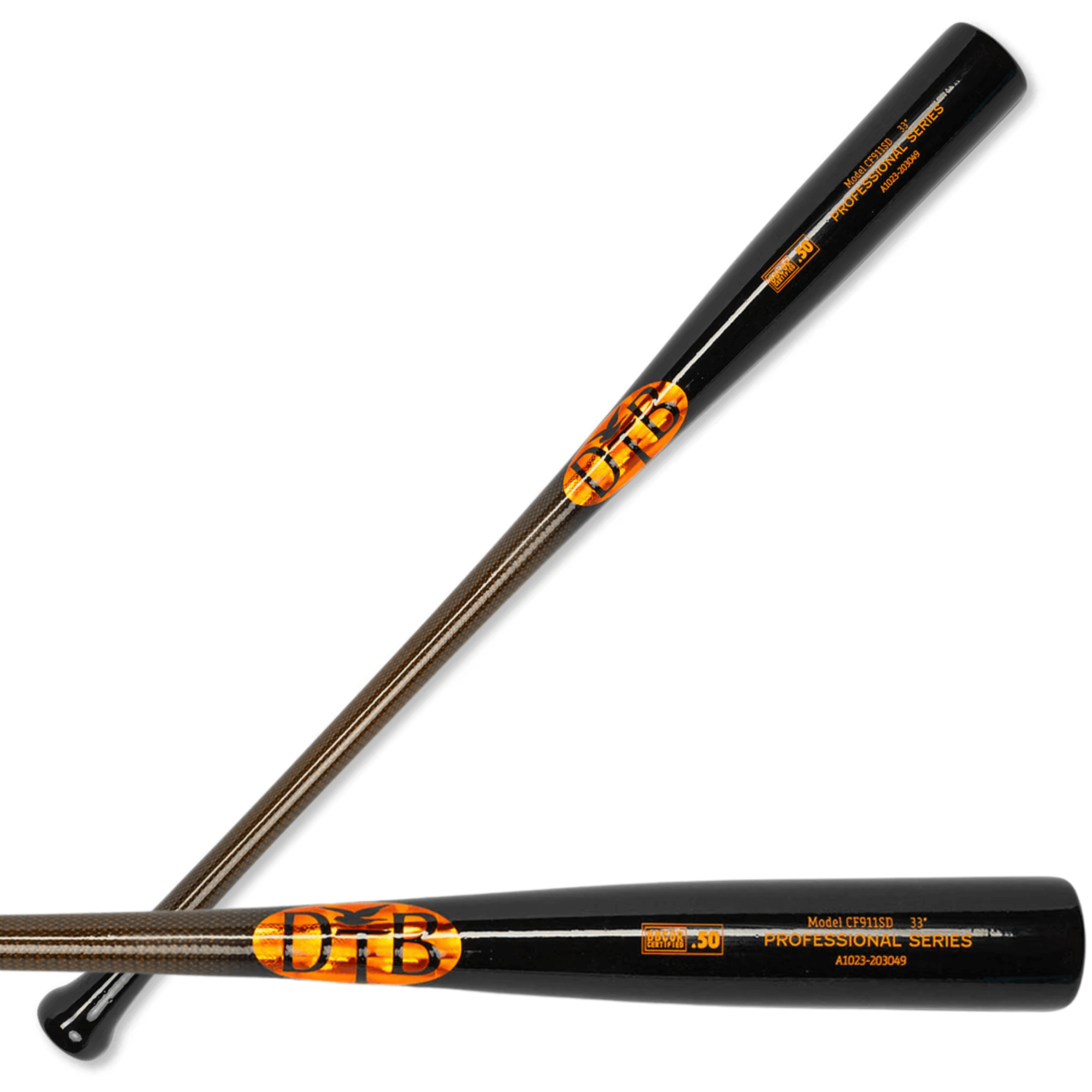
Dove Tail Bats CF911SD-1 Wood Bat, featuring a tapered barrel and carbon fiber reinforced handle.
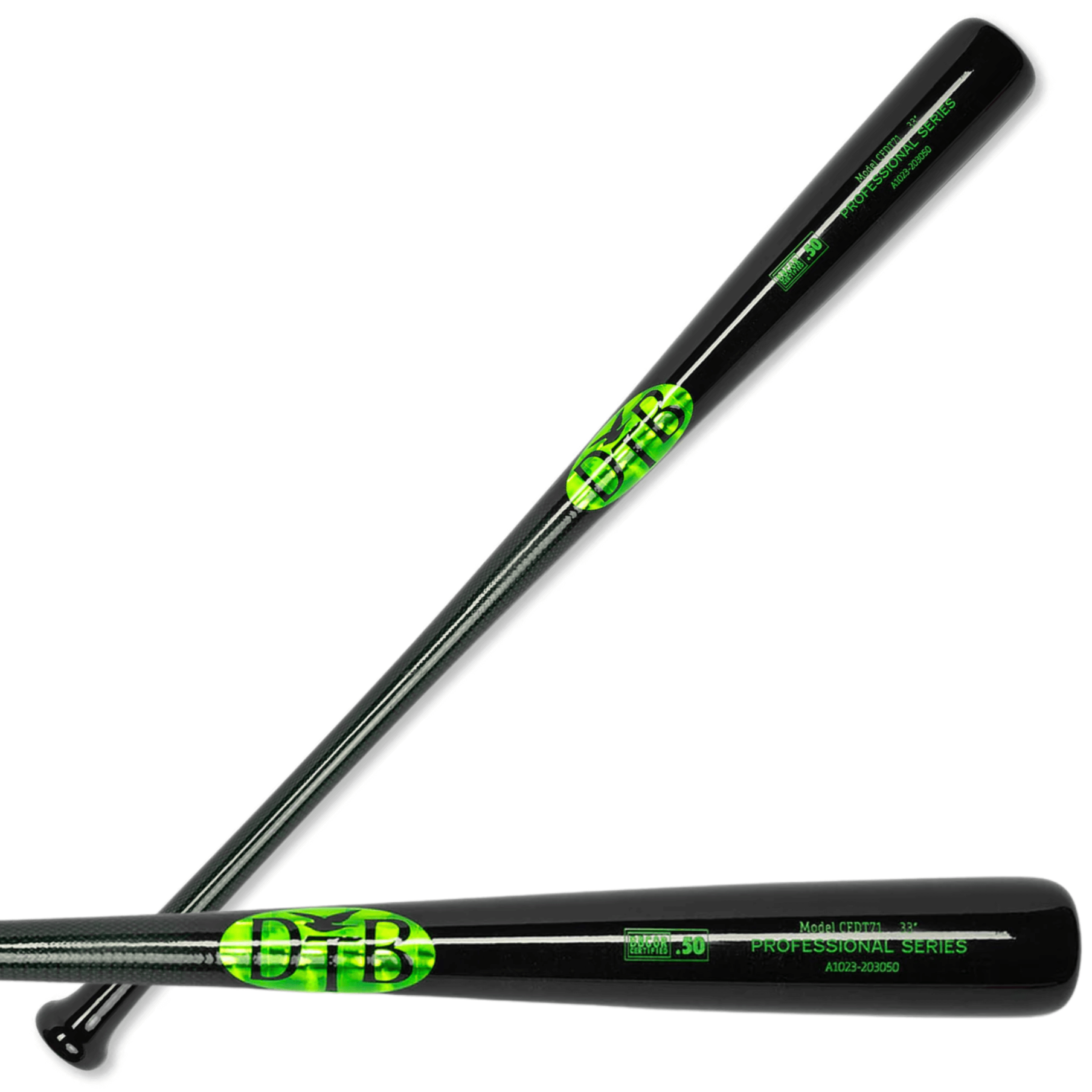
Dove Tail Bats Carbon Reinforced Wood Bat CFDT71
+4
+3
+2
+1
Sale price$269.99
Choose options
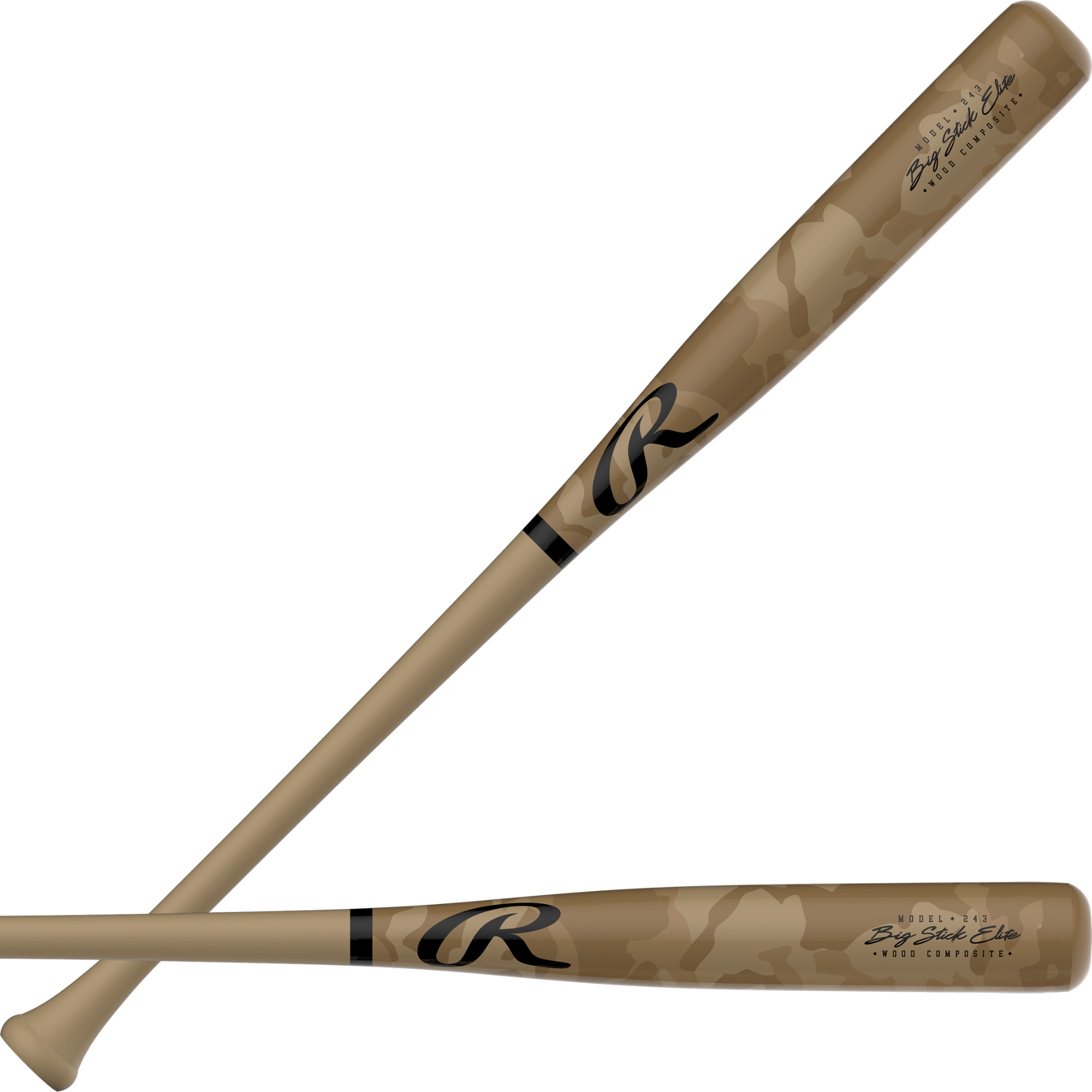
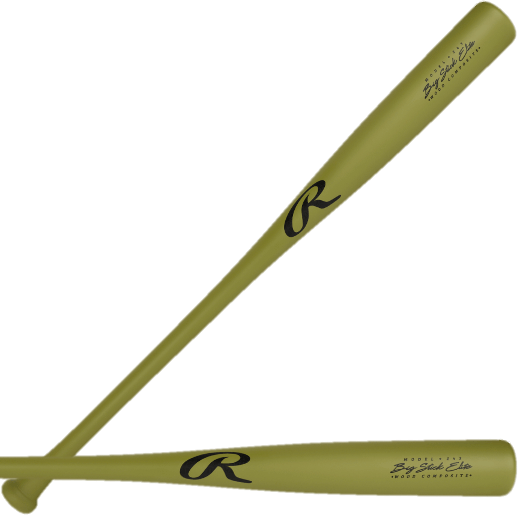
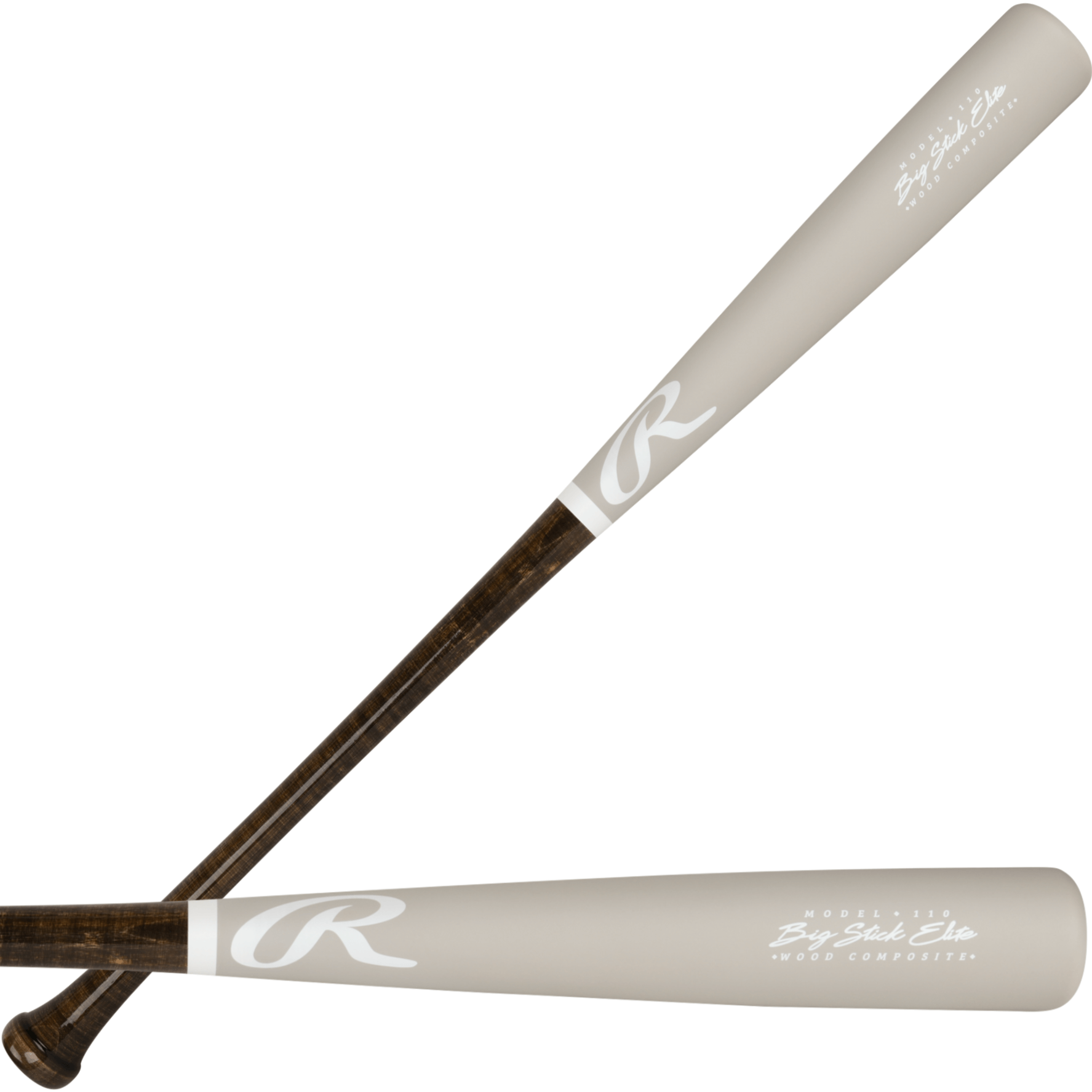
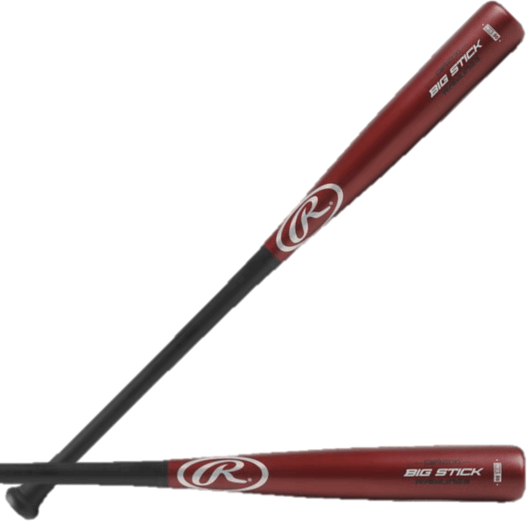
Rawlings Big Stick Elite Wood Bat 243i Composite - Full Bat Front and Back View
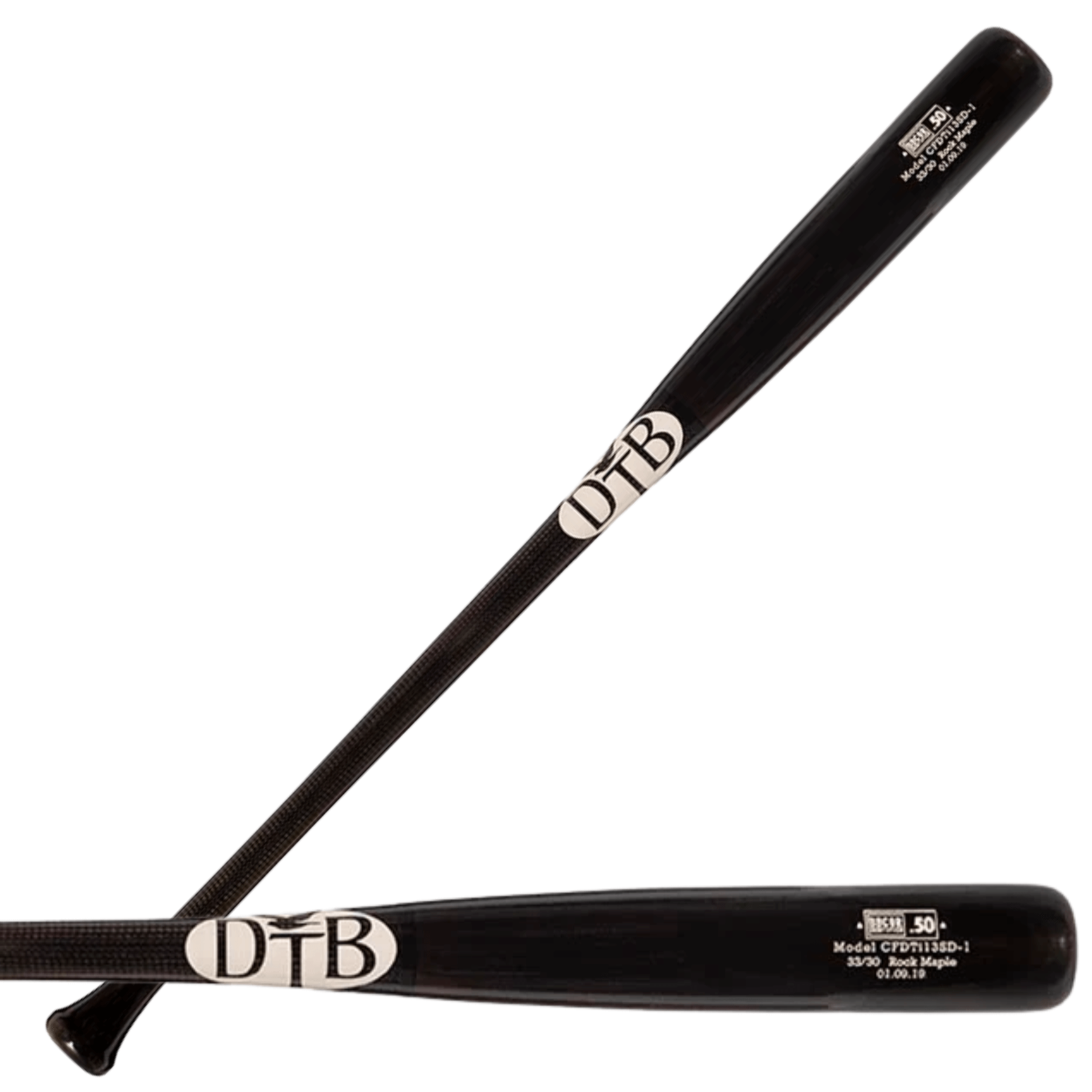
Dove Tail Bats CFi13SD Carbon Reinforced Wood Bat with a sleek black design and bold logo.
Dove Tail Bats CFi13SD Carbon Reinforced Wood Baseball Bat
+7
+6
+5
+4
+3
+2
+1
Sale price$269.99
Dove Tail Bats CF911SD carbon reinforced wood bat featuring sleek black finish and vibrant green logo.
Dove Tail Bats CF911SD Carbon Reinforced Wood Bat
+3
+2
+1
Sale price$269.99
Save $150.00
Dove Tail Bats CF911SD-1 Wood Bat, featuring a tapered barrel and carbon fiber reinforced handle.
Dove Tail Bats CF911SD-1 Wood Baseball Bat
Sale price$149.99 Regular price$299.99
Save $130.00
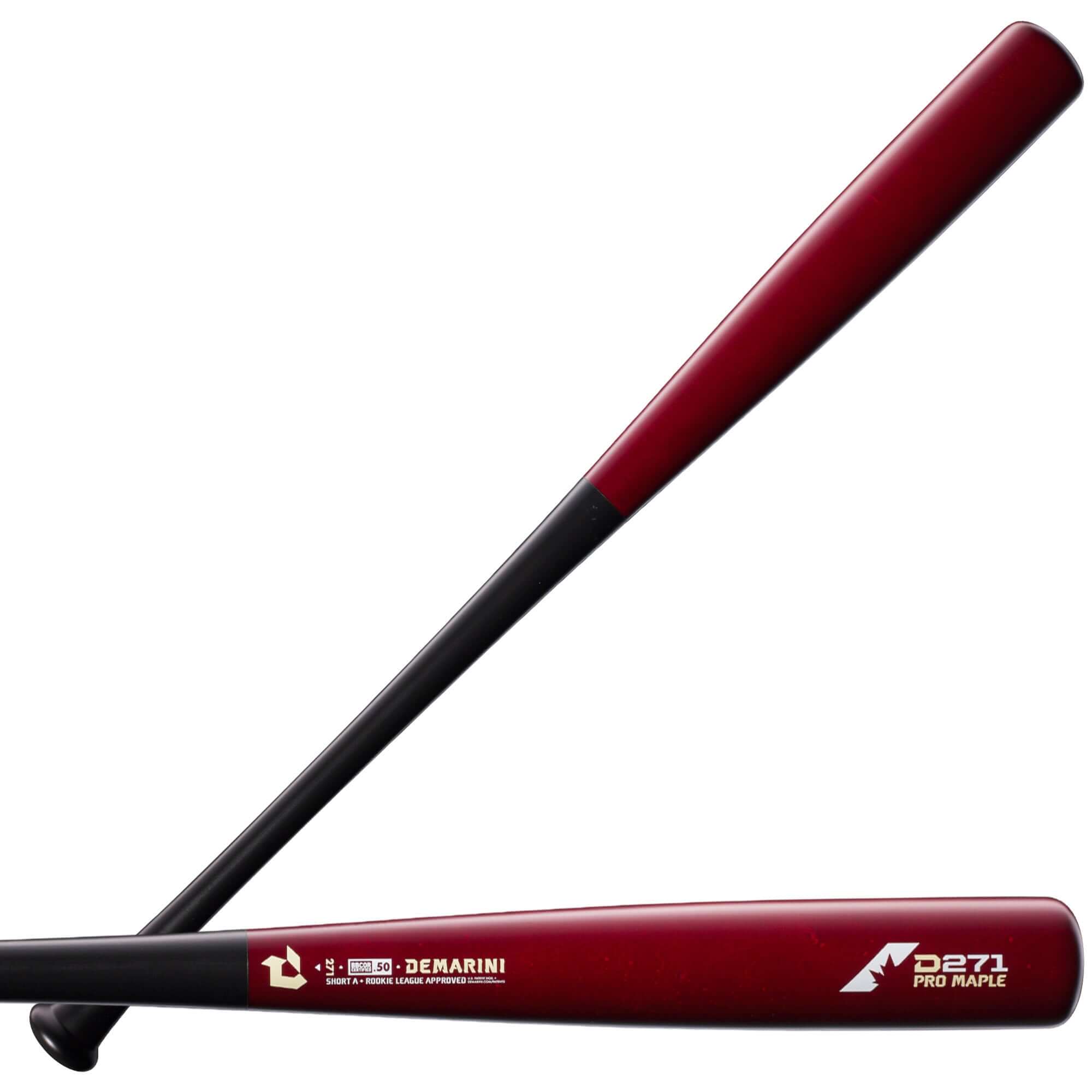
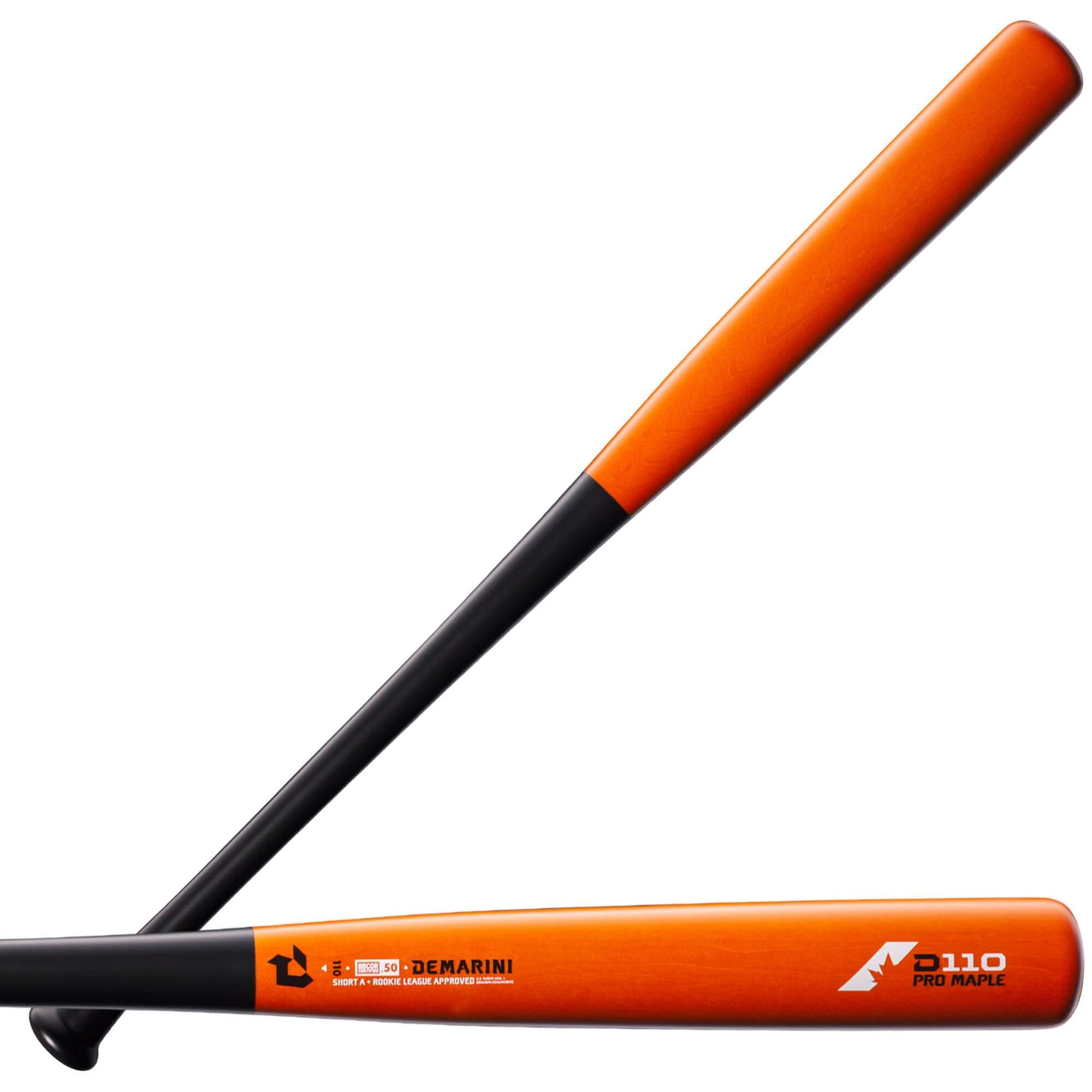
Demarini D110 Pro Maple Wood Composite Baseball Bat in orange and black for wood bat tournaments. Approved for Perfect Game play.
Demarini D110 Pro Maple Wood Composite Baseball Bat
Sale price$119.99 Regular price$249.99
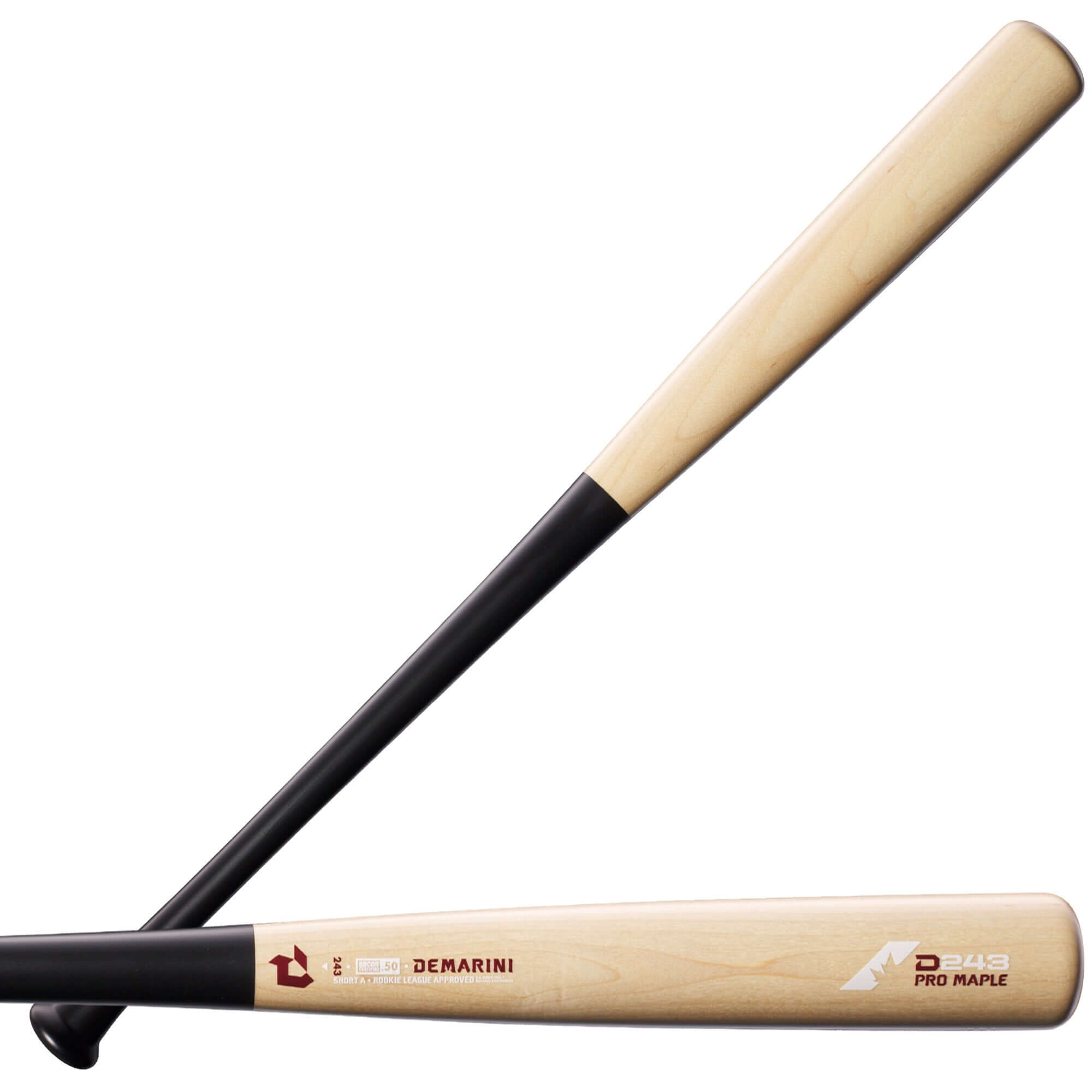
DeMarini D243 Pro Maple Wood Composite Baseball Bat with large barrel and end-loaded swing design.
Rawlings R243 Big Stick wood bat, composite maple/bamboo, designed for maximum power and improved swing speed.
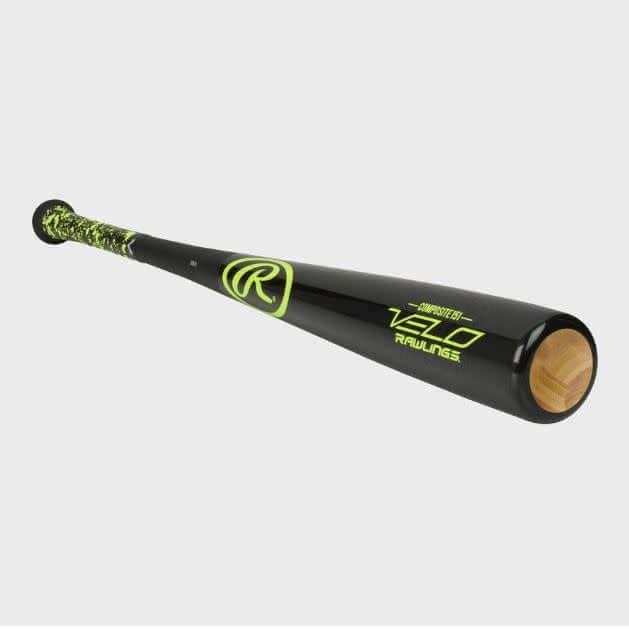
Rawlings Velo Wood Composite -5 bat with larger hitting surface and increased sweetspot

Choosing a Wood Composite Baseball Bat

Wood composite bats combine wood with reinforcing materials such as composite fibers, bamboo or engineered layers. Construction varies by manufacturer, so compare each model individually rather than assuming every composite wood bat will feel or perform the same way.

BBCOR-Certified Wood Composite Bats

Many adult wood composite bats are BBCOR certified, making them eligible wherever that specific certification is accepted. They combine a wood hitting surface or wood-based construction with reinforcing materials designed to improve durability and maintain a consistent drop-3 profile.

BBCOR certification does not automatically make a composite wood bat legal in every wood-bat league or tournament. Some events require one-piece solid wood, while others maintain an approved composite-wood list. Always confirm both the BBCOR mark and the event’s construction rules.

Wood Composite vs. Traditional Wood

Traditional wood bats are made primarily from a single wood species, such as maple or birch. Composite models add reinforcing materials or combine multiple materials to improve durability, alter the swing feel or help the bat meet a particular certification.

Upfront Cost and Long-Term Value

A wood composite bat usually costs more upfront than a conventional wood bat, but its reinforced construction can make it a better long-term value for players who use wood frequently. A more durable bat may reduce how often a player needs to purchase replacements during a season.

That value is especially relevant for players competing in collegiate summer leagues, high-school wood-bat tournaments, junior-college summer programs or other leagues with frequent wood-bat use. It is not a guarantee that a composite bat will never break, but the added durability can lower replacement costs over time.

Longer Warranty Options

Select wood composite bats include longer manufacturer warranties than conventional wood bats, with coverage ranging by brand and model and reaching as long as 12 months. Warranty terms, registration requirements and exclusions vary, so review the specific product page and manufacturer policy before purchasing.

Length, Weight and Swing Balance

Choose a length you can control through the hitting zone without losing posture or bat speed. Many adult wood-composite models are built near a drop-3 weight, but actual specifications vary.

A balanced bat generally feels easier to control. A more end-loaded model places additional mass toward the barrel and may suit a stronger hitter who prefers that feel.

Turning Models and Barrel Profiles

A turning model describes the bat’s barrel diameter, handle thickness, taper and knob. Common profiles can range from balanced, contact-oriented shapes to larger-barrel power profiles. Two bats of the same length may swing differently because their weight is distributed differently.

Before You Buy

Review the product page for the model’s construction, available sizes, certification and warranty terms. Inspect the bat before every use and stop using it if you find cracks, separation or other structural damage.

Frequently Asked Questions

Are wood composite bats BBCOR certified?

Many adult wood composite models are BBCOR certified, including select bats in this collection. Check the individual product specifications and certification mark because certification varies by model.

Why do wood composite bats cost more than conventional wood bats?

They use reinforced or engineered construction intended to improve durability and consistency. That added construction generally increases the initial price.

Can a wood composite bat save money over time?

Potentially. A more durable composite-wood bat may require fewer replacements than conventional wood during frequent use, helping offset its higher initial price. Actual lifespan depends on the model, contact quality, care and frequency of use.

Do wood composite bats have a warranty?

Select models do, with manufacturer coverage ranging from a few months to as long as one year. Warranty length and eligibility vary by model, so check the product page and manufacturer’s current terms.

Can I use a BBCOR wood composite bat in a wood-bat tournament?

Only if the tournament permits that construction. Some events accept approved composite-wood bats, while others require a single piece of solid wood. BBCOR certification alone does not override an event’s wood-bat rules.

Recently viewed